“How do I join Search and Rescue?” is one of the most common questions I hear from people who are interested in SAR. The answer varies quite a bit from team to team because requirements depend on where the team is located, who oversees it, how many members it has, and what kinds of missions it responds to.
That said, there are some common expectations that apply to many volunteer Search and Rescue teams. Below is a practical overview of what you can expect, what teams often look for, and the best way to get started.
Volunteering for Search and Rescue
One of the defining things about many Search and Rescue teams is that they are made up largely—or entirely—of volunteers from the local community. When a mission comes in, these are people stepping away from work, family, sleep, or weekend plans to help someone who is lost, injured, or otherwise in trouble.
If you want to join a volunteer SAR team, you should be ready to give your time without expecting compensation. Calls can come during the day, in the middle of the night, in good weather, or in terrible weather. There is also a lot more to SAR than the exciting parts people see in photos.
A large amount of the work is training, checking equipment, cleaning muddy gear, maintaining vehicles, attending meetings, and getting ready for the next mission. People who join only for the excitement tend not to last. The people who stick around are usually the ones who enjoy helping their community and being part of a dependable team.
Are There Paid Search and Rescue Jobs?
Yes, but they are much less common than volunteer positions. Organizations such as the United States Coast Guard, the National Park Service, fire departments, law enforcement agencies, and some other public-safety organizations perform Search and Rescue as part of paid jobs. Those positions can be competitive and often require additional education, certifications, or experience.
Common Requirements to Join Search and Rescue
Every team sets its own membership requirements, but several are common across volunteer SAR organizations.
Age: Many teams require members to be at least 18 years old. Some organizations have junior, cadet, or mentorship programs for high-school students, but those are team-specific.
Background check: Many teams require a background check. SAR volunteers may work closely with sheriff’s offices, fire departments, emergency management, vulnerable people, and expensive public equipment, so this is a normal part of the application process.
Health and fitness: Field SAR can be physically demanding. You may need to hike for miles over rough terrain while carrying a loaded pack, work for hours in bad weather, or help move a litter and other equipment. You do not need to be an elite athlete to get started, but you should be able to function safely in the terrain your team covers.
Fitness expectations also vary by role. Some members spend most of their time in the field, while others may support communications, command, mapping, logistics, equipment, administration, or base operations. A good team needs both.
Training commitment: New members should expect to spend a significant amount of time training. Depending on the team, that may include navigation, radios, first aid, search techniques, patient packaging, litter handling, technical rescue, wilderness skills, incident command, and other specialties.
Availability: Nobody can make every mission, but SAR teams generally need members who can respond often enough to remain useful and current. Training attendance is just as important as mission response.
Agency requirements: Some counties or jurisdictions structure SAR differently. A team may operate under a sheriff’s office, emergency management agency, fire department, nonprofit organization, or another authority. A few may have additional requirements related to employment, residency, certifications, or agency membership.
Wait lists and selection: Some teams receive more applicants than they can realistically train. In popular outdoor areas, applicants may have to wait for a recruiting cycle or go through a selection process. Having useful skills can help, but willingness to learn and consistently show up is often just as important.
Do You Need Experience Before Joining SAR?
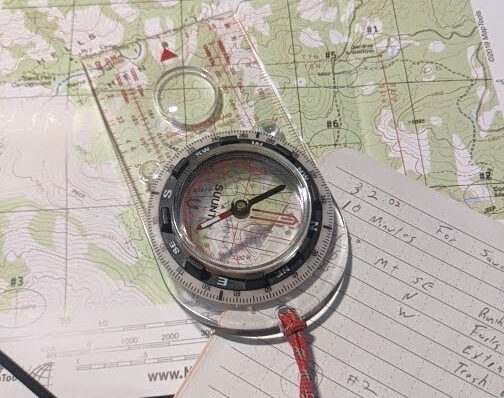
Usually, you do not need to arrive as an expert. Teams expect to train new members in their procedures and equipment. Existing outdoor experience can make the learning curve easier, especially if you are already comfortable hiking, navigating, camping, using a map and compass, or spending long days outside.
Medical training, rope skills, climbing experience, radio knowledge, mechanical ability, technology skills, and other specialties can all be useful, but you should not assume they are required unless the team says so.
One of the most valuable traits for a new member is simply being dependable: show up, listen, learn, help with the unglamorous work, and become someone the rest of the team knows they can rely on.
How Close Do You Need to Live to the Team?
Many wilderness SAR teams are organized at the county level or work closely with a county sheriff’s office. Living within a reasonable distance of the team matters because missions can start quickly.
Knowing the local roads, trailheads, mountains, drainages, and recreation areas is also a real advantage. If you live far outside the team’s normal response area, ask whether they have residency or response-time requirements before applying.
What Gear Do You Need to Join Search and Rescue?
Do not go out and spend thousands of dollars on SAR gear before talking to the team you want to join. Teams often have specific requirements, preferred equipment, and specialized gear they provide.
What many field members will eventually need is a pack that allows them to remain self-sufficient for an extended period in the conditions their team operates in. This is often referred to as a 24-hour pack.
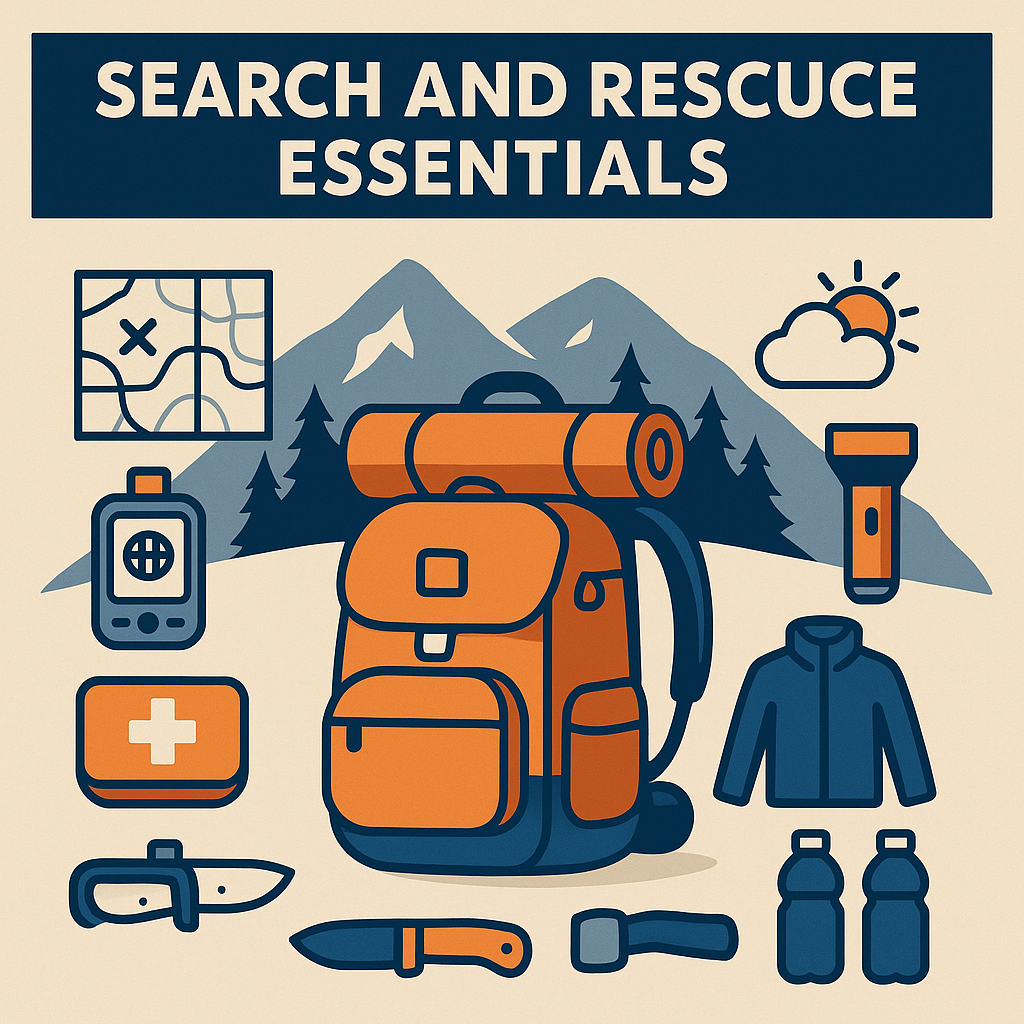
If you already spend time hiking, hunting, climbing, backpacking, or camping, you may already own much of the basic clothing and outdoor equipment you will need. Specialized rescue equipment is usually something to purchase only after you understand your team’s standards.
How Much Time Does Search and Rescue Take?
This is something new volunteers sometimes underestimate. SAR is not only the time spent on missions. There are regular trainings, equipment checks, team meetings, vehicle maintenance, administrative work, and specialty-team training in addition to callouts.
The exact commitment varies by organization, so ask directly about training schedules, minimum attendance requirements, and how often the team is called out. Make sure the commitment works with your family, job, and other responsibilities before joining.
How to Find a Search and Rescue Team Near You
The best first step is usually to find out who is responsible for Search and Rescue where you live. In many parts of the United States, especially in the West, that may be the county sheriff’s office. In other areas it may be a fire department, emergency management agency, nonprofit SAR organization, or another local authority.
Search for your county or region along with “Search and Rescue,” check your sheriff’s office or emergency-management website, and look for recruiting information. If you cannot find anything online, call the local agency and ask who coordinates SAR.
The Best Way to Join Search and Rescue: Go Talk to the Team
Ultimately, the best way to learn how to join Search and Rescue is to talk directly with your local team. Every organization operates a little differently, and the people actually doing the work can tell you exactly what they need from a new member.
Ask when they recruit, what the application process looks like, what training is required, what fitness expectations they have, and what equipment you should—or should not—buy before joining.
If you are dependable, willing to learn, able to work as part of a team, and interested in serving your community, you already have several of the most important qualities a SAR team is looking for.